Gas Production
- Main
- Our Operations
- Gas Production
- OUR OPERATIONS
Gas Production
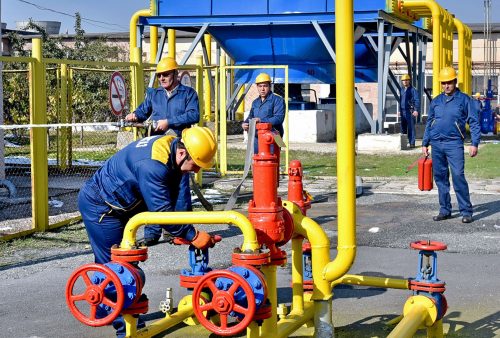
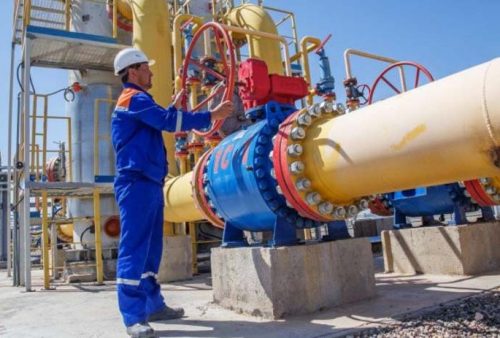
In addition to increasing its processing capacity and producing electricity at its own power plants, Andijan Oil and Gas prioritizes its operations in the transportation and gas production sectors. At Andijan Oil and Gas, the most advanced equipment is used to ensure optimal performance in every aspect of petroleum gas consumption. The processing of associated petroleum gas must be part of an integrated system for collecting and using the gas. The company’s cutting-edge gas processing facility can generate dry stripped gas and liquid hydrocarbons, both of which are extensively utilized in Uzbekistan’s commercial and industrial activities. The business manufactures superior products that satisfy Uzbekistan’s official criteria as well as the technical specifications of the Customs Union.
Gas production and delivery, as well as increasing processing capacity and producing electricity at its own power plants, are priorities for Andijan Oil and Gas. In every location, Andijan Oil and Gas uses the newest equipment to ensure connected petroleum gas consumption operates at its best. An essential component of a broader system for gathering and utilizing related petroleum gas is its processing. The company’s gas processing plant is a state-of-the-art facility capable of producing liquid hydrocarbons and dry stripped gas, both of which are extensively utilized in Kazakhstani commerce and industry. High-quality items that satisfy both state and Customs Union technical standards are produced by the plant.
With the creation of the Gas Processing Division (UPG) in 2022, Andijan Oil and Gas became a leader in the integrated approach to gas processing expansion. In 2019, Andijan Oil and Gas transported 10.3 million cubic meters of dry stripped gas, liquefied petroleum gas (LPG), and natural gas. With 10 million cubic meters sold, LLP BK Energy accounted for 14% of all gas shipments. International gas sales increased 3% year over year to 6 million cubic meters as a result of increased gas output. Cheaper petroleum and a positive shift in the local mobility industry will eventually benefit public transit drivers and riders. An additional noteworthy prospect for the LPG industry is the substitution of gasoline and diesel fuel.